The Four Traditional Art Forms
Toi Maori, or Maori art, has evolved around four primary traditional art forms, each with its own techniques, materials, and cultural significance. These art forms have been practiced for centuries and continue to thrive today, blending traditional methods with contemporary expression.
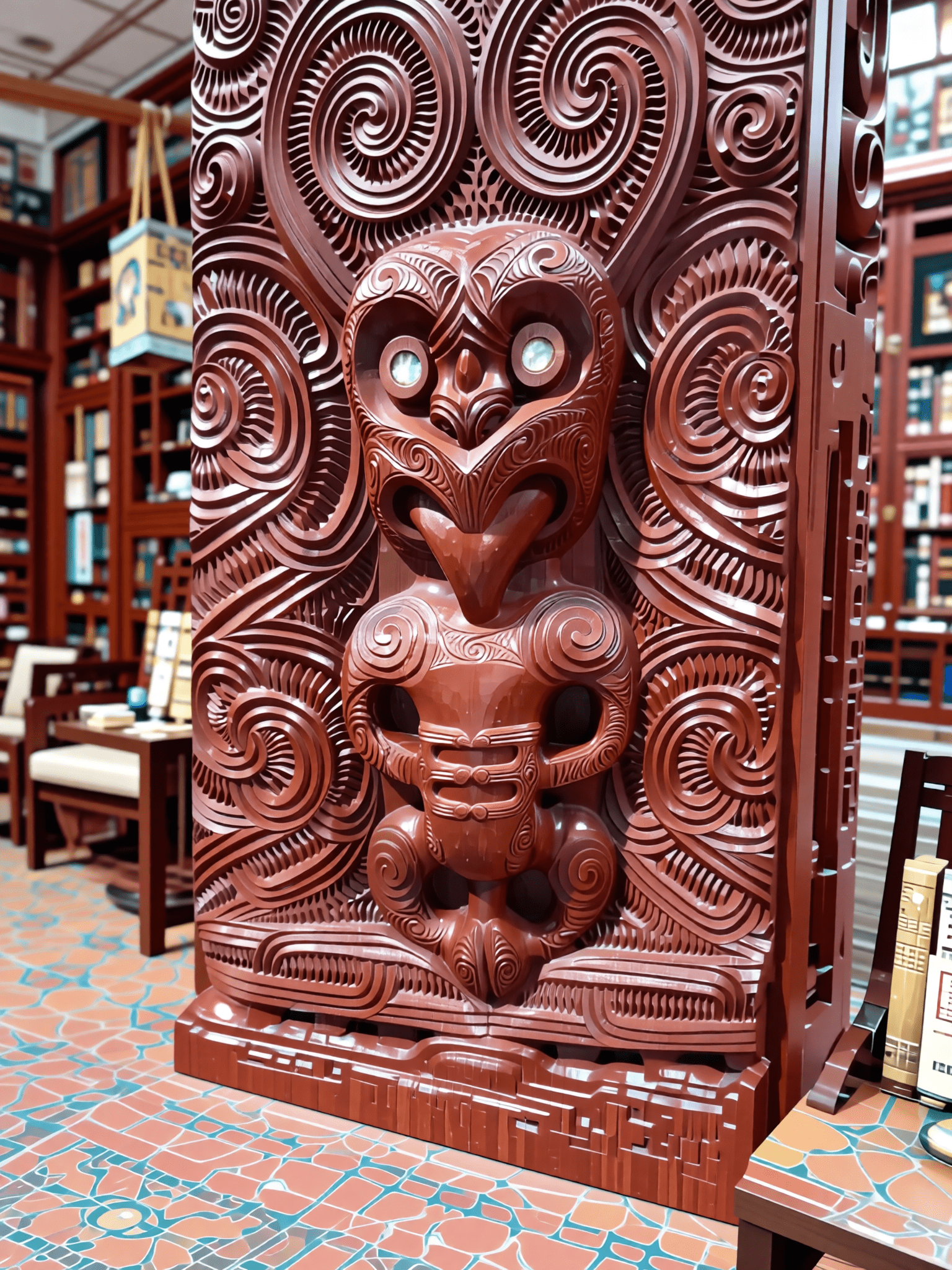
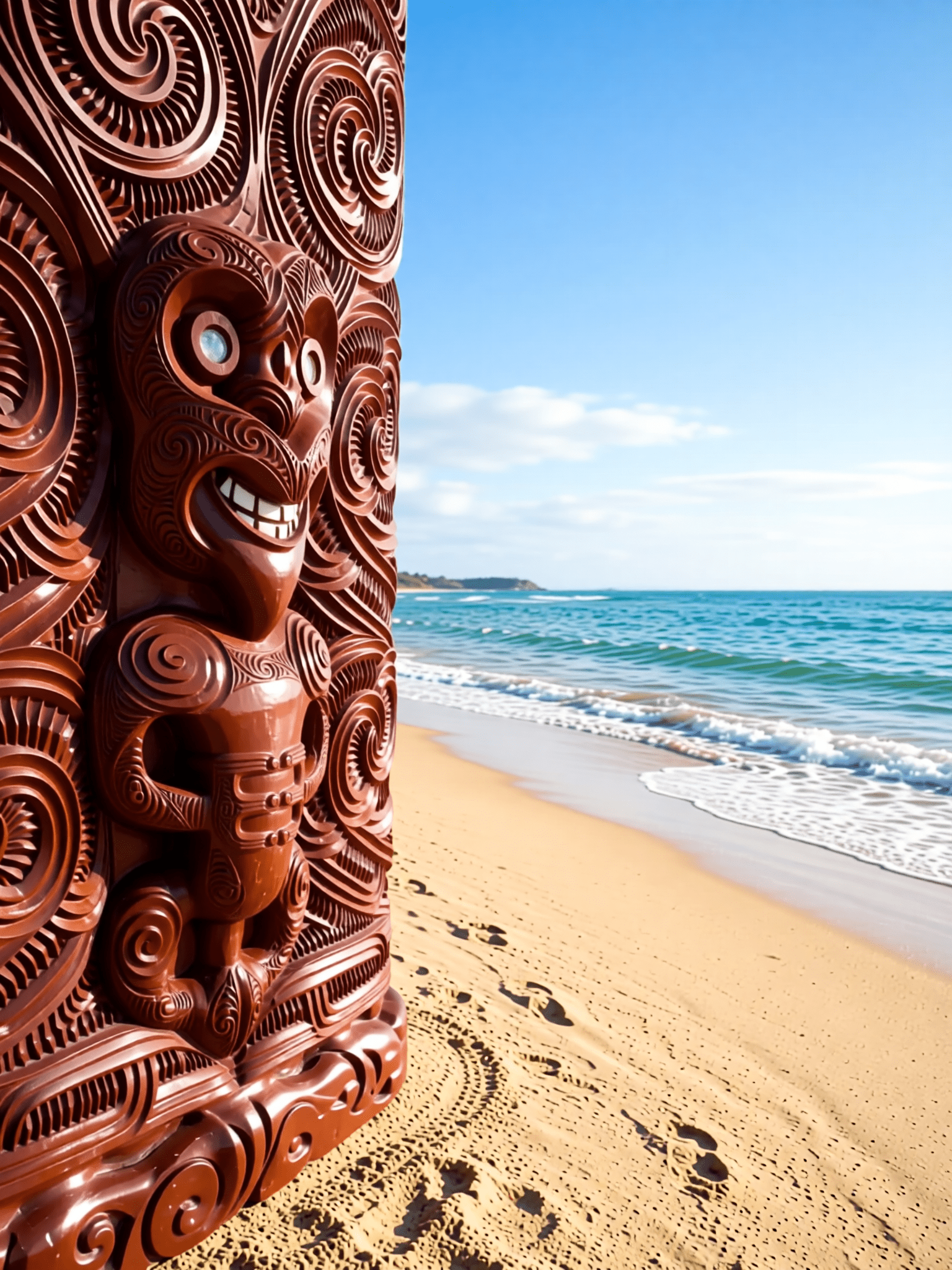
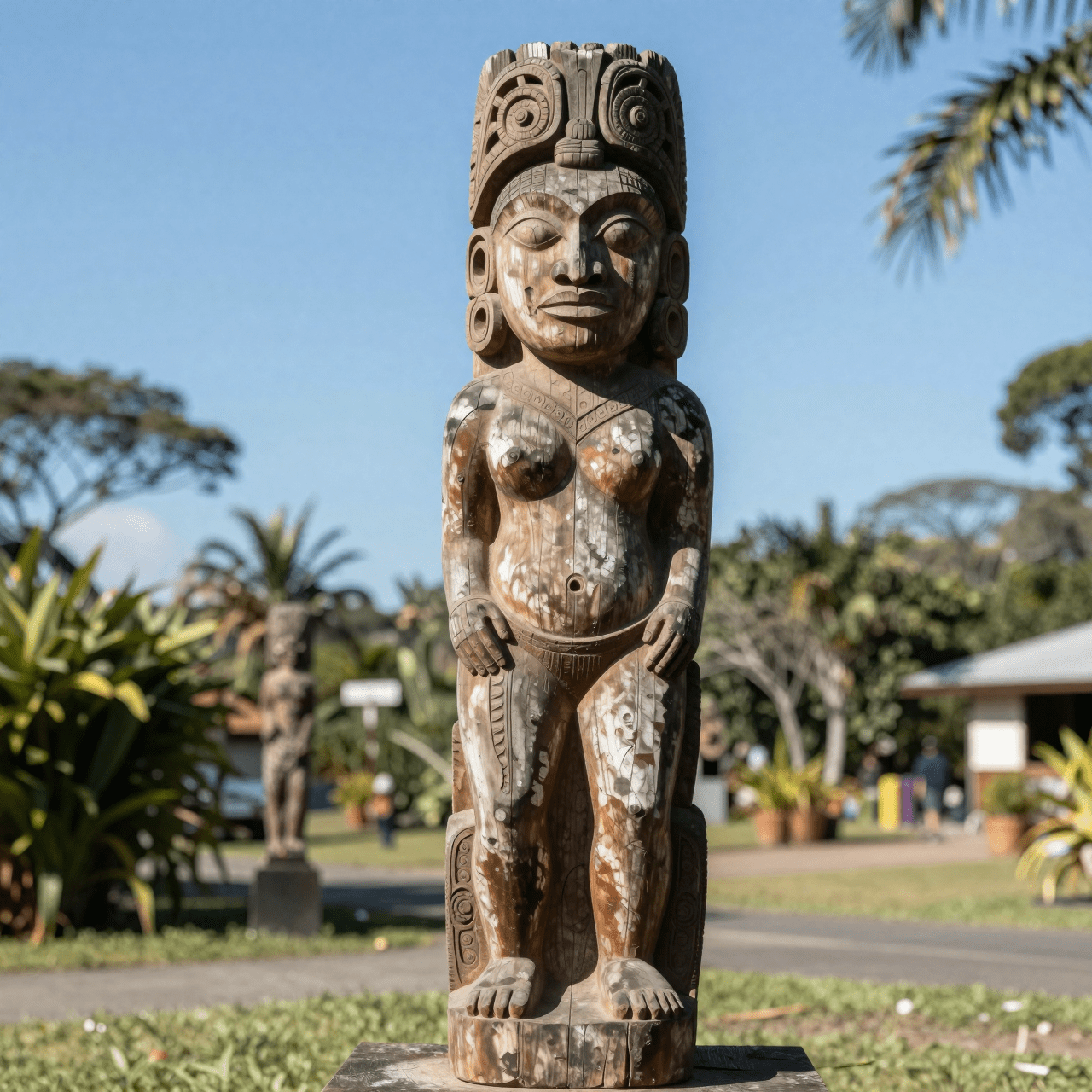
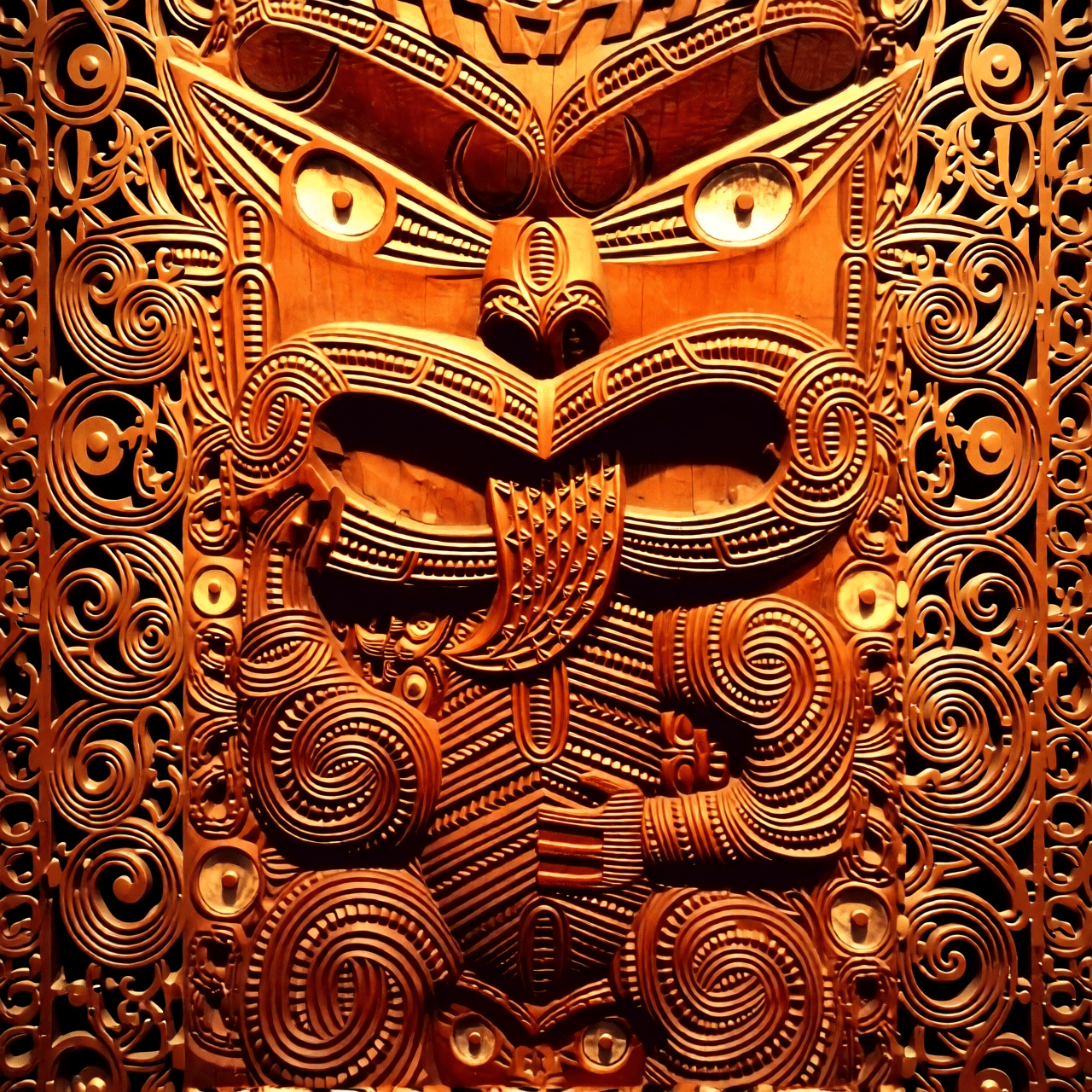
Whakairo (Carving)
5 images available. Showing 4 random ones. Refresh for more!
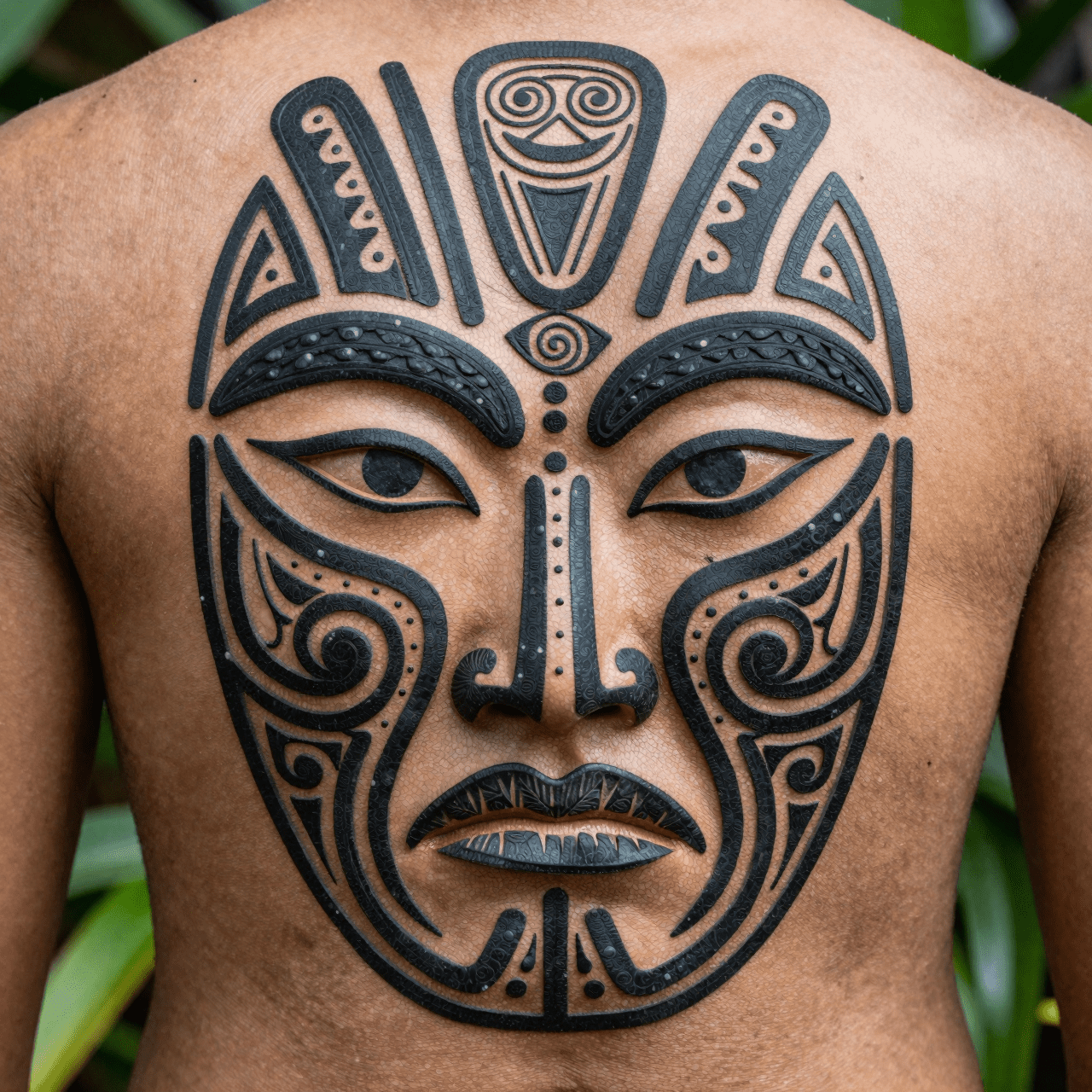
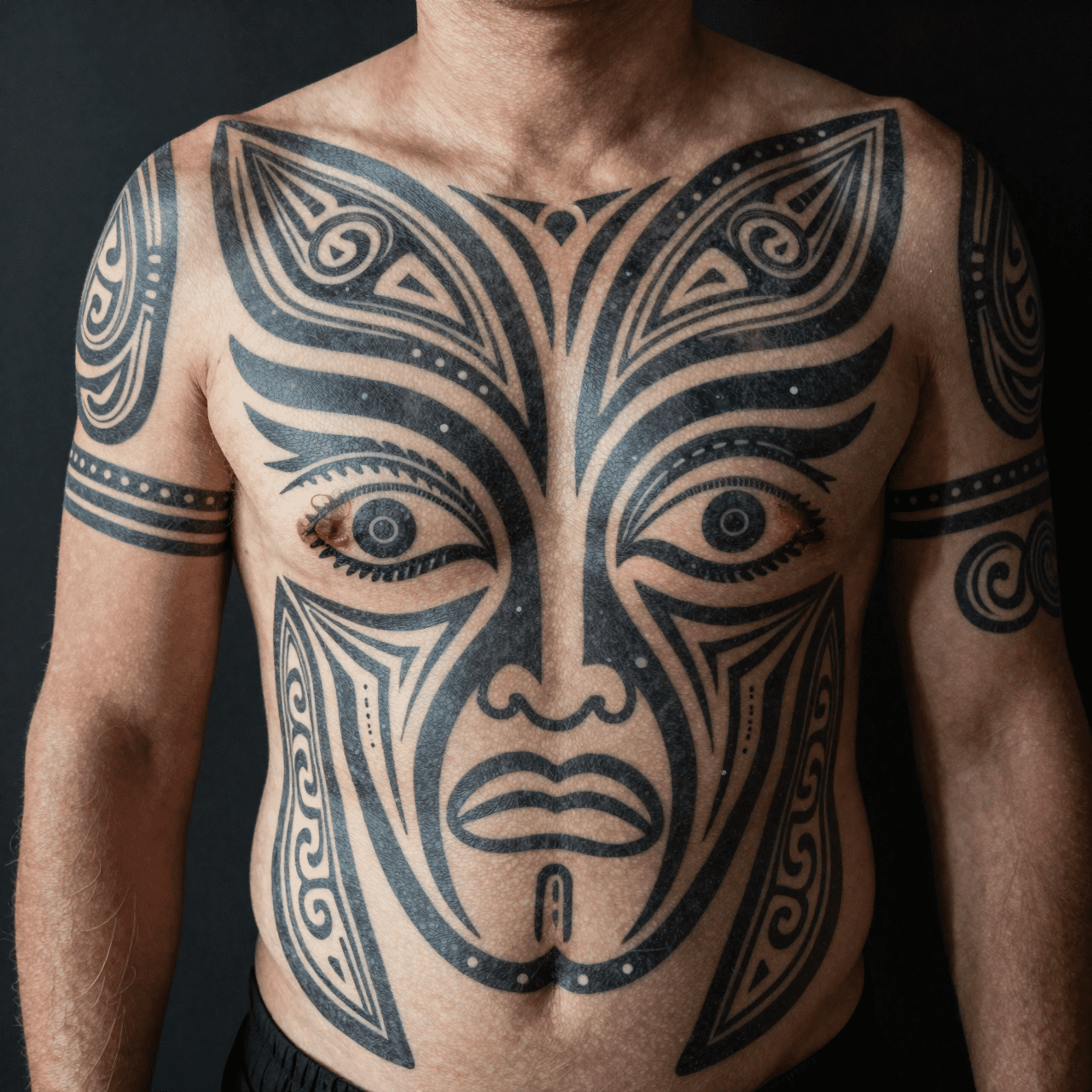
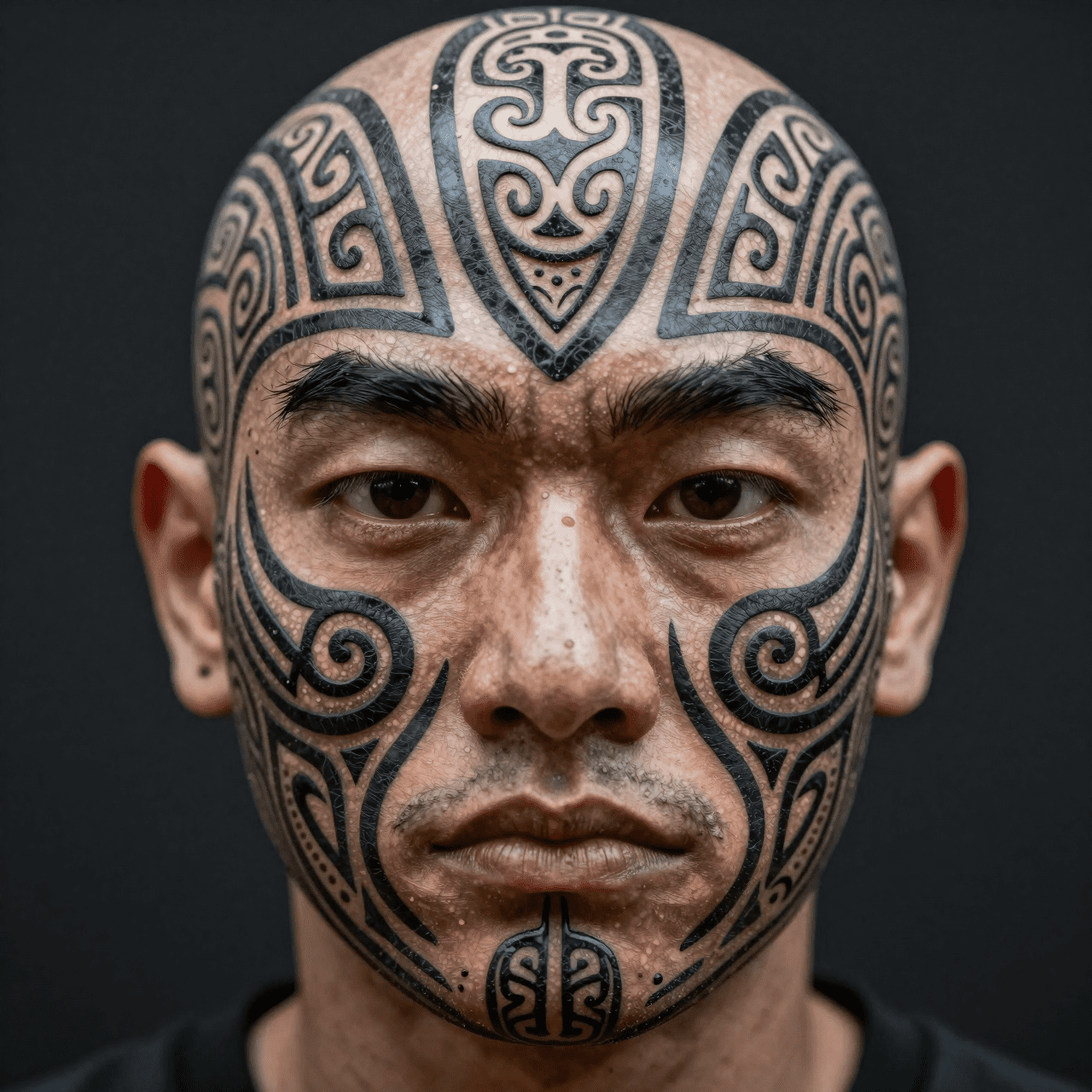
Ta Moko - Maori Tattoo
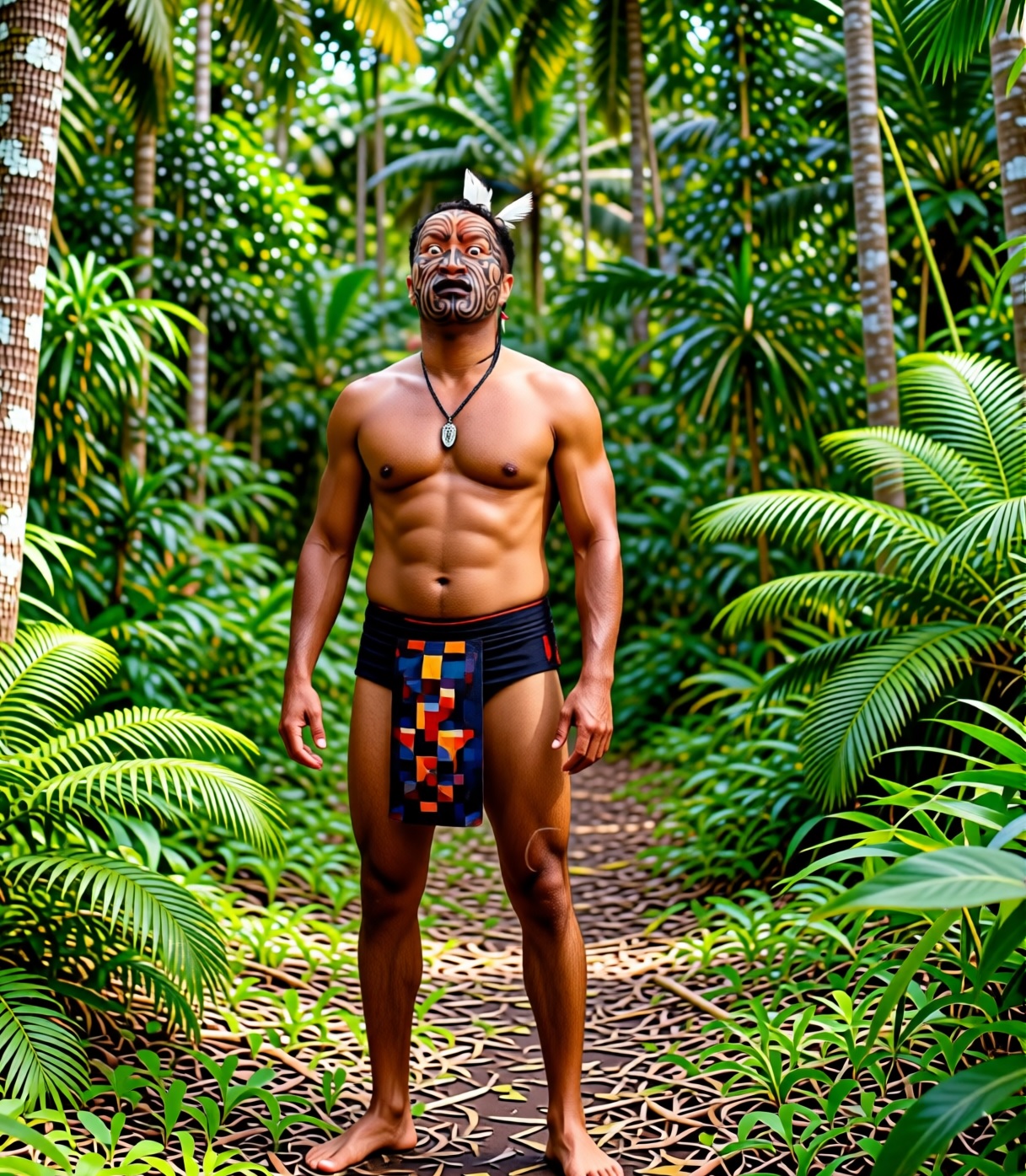
Ta moko is the traditional art of Maori tattoo, an ancient practice that has been revived and revitalized in recent decades. Unlike Western tattooing, ta moko is deeply embedded in Maori culture, carrying layers of meaning related to whakapapa (genealogy), tribal identity, personal achievement, and spiritual protection.
The tohunga ta moko (moko expert) holds a revered position in Maori society. This specialist possesses not only technical skill but also deep knowledge of whakapapa, history, and symbolism.
Raranga - Weaving
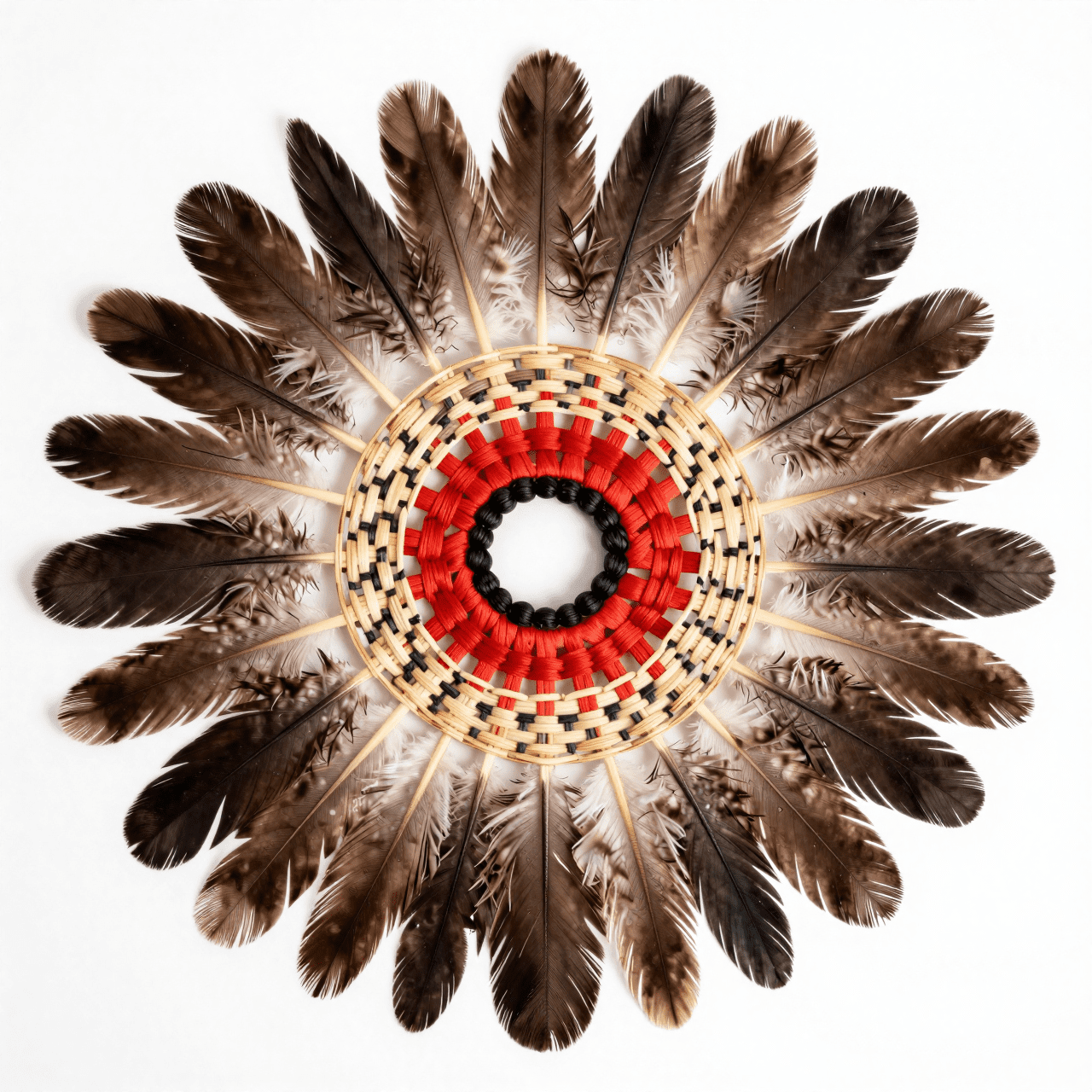
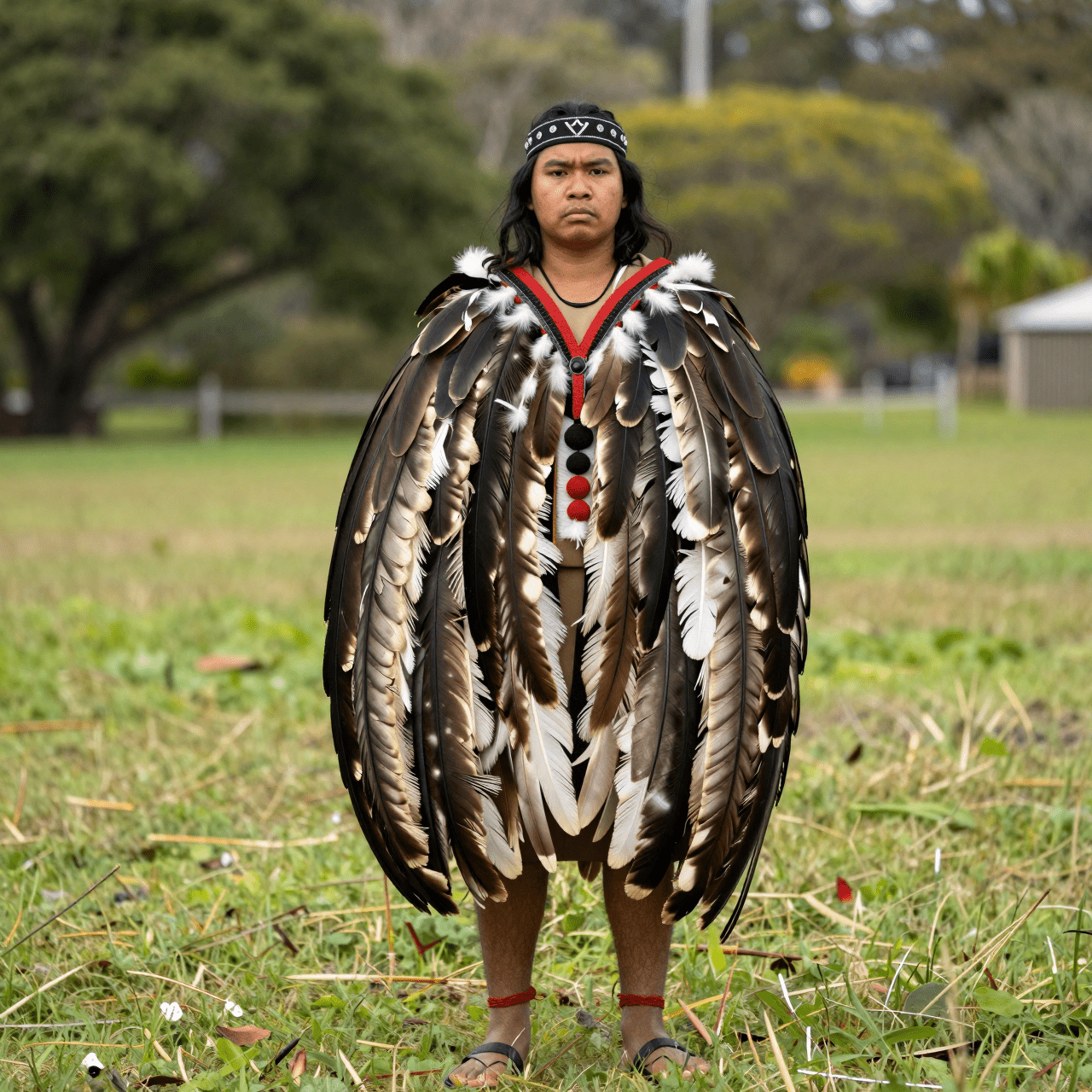
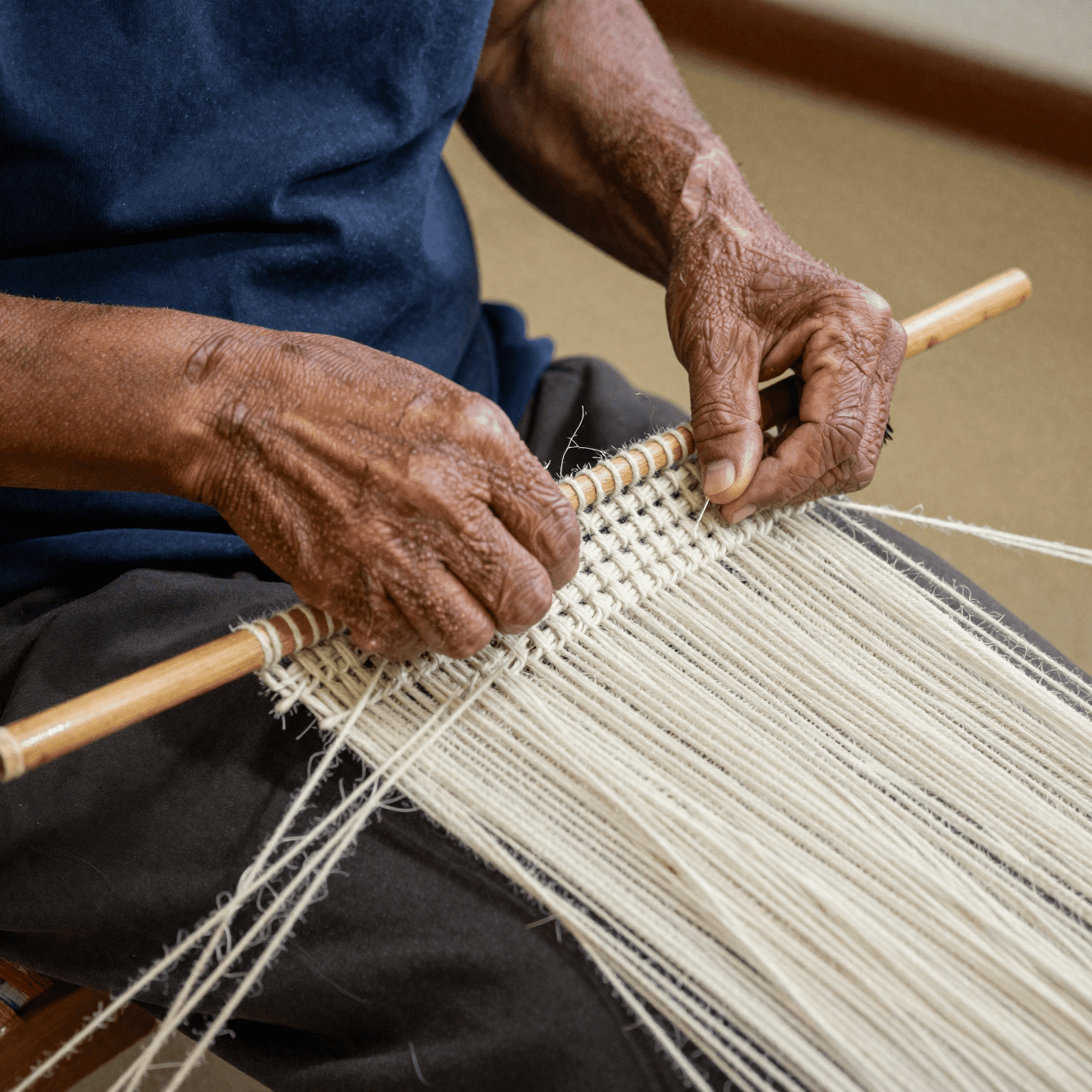
Raranga, the art of weaving, has been practiced in Aotearoa since the arrival of the first waka. Using natural fibers from plants like harakeke (New Zealand flax), weaving produces essential items for daily life as well as ceremonial treasures.
Harakeke is the primary material for Maori weaving. The long, strong leaves of this plant provide fibers that can be processed into soft, durable threads. Different varieties of harakeke have different properties, and skilled weavers know which varieties to select for specific purposes.
Musical Arts
Maori musical expression encompasses vocal traditions, instrumental music, and performance arts that have been passed down through generations. The human voice is considered the most important musical instrument, with waiata (songs) serving as vehicles for preserving history, expressing emotion, and strengthening social bonds.
Traditional instruments include the putorino (flute), nguru (small flute), pukaea (trumpet), and the various instruments known as taonga puoro.
While often described as a "war dance," haka is actually a type of ceremonial dance or performance with various purposes. Haka can be performed to welcome distinguished guests, acknowledge great achievements, or prepare for battle.